
Defense
Submarine Ventilation Hatch Houses
HPS Fabrications builds ventilation hatch houses for US Navy submarines. The product began as a stopgap solution and HPS redesigned it through successive engineering changes into something purpose-fit. This is what having licensed engineers in the same building as the shop floor is actually for.
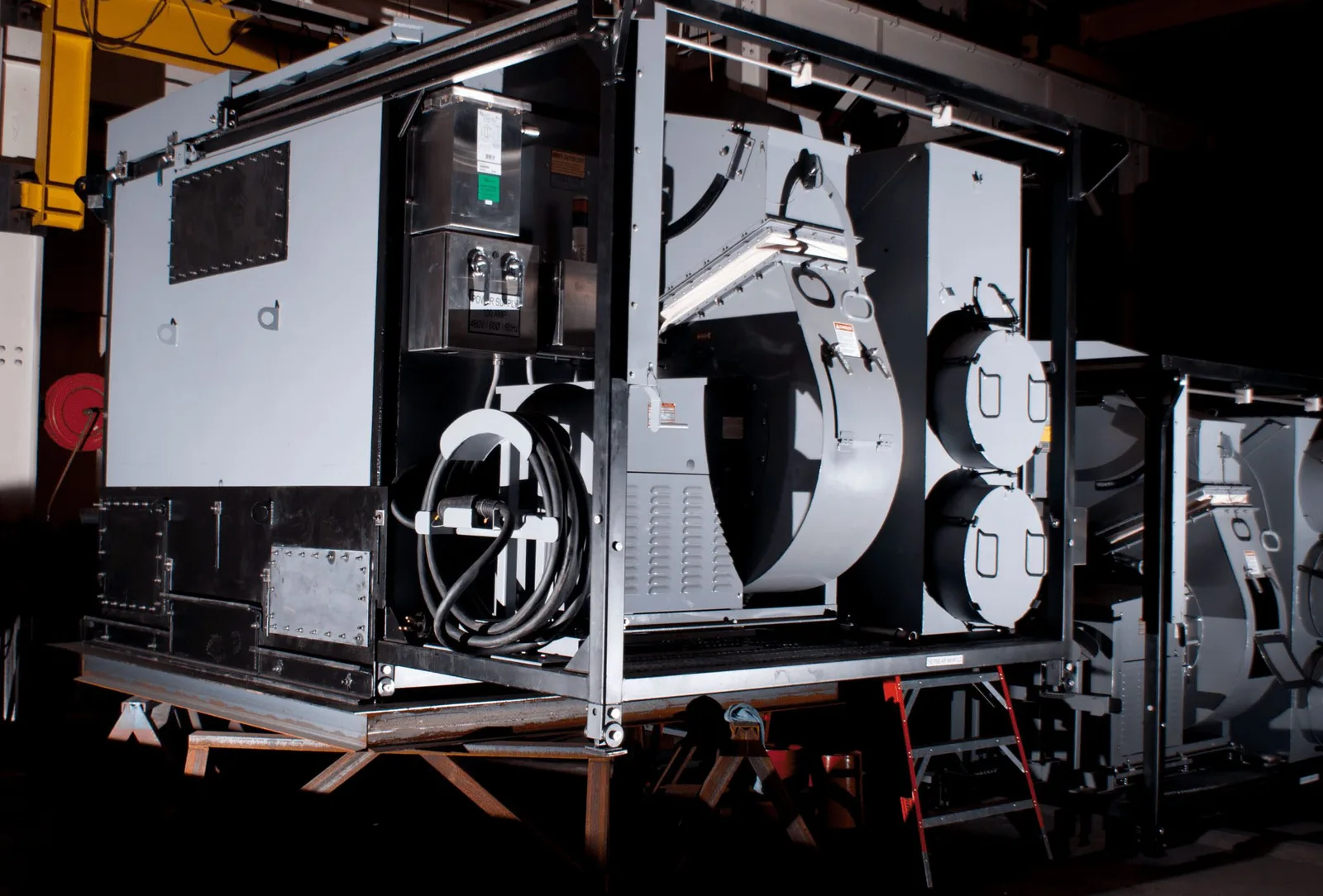
| Customer | US Navy |
|---|---|
| Sector | Defense |
| Outcome | Redesigned from a stopgap into a purpose-built product |
It started as a stopgap
The original hatch house was not designed for the job it was doing. It was an interim answer that stayed in service, which is a familiar story in fielded equipment.
Interim solutions accumulate problems. Something does not seal as well as it should, an assembly step takes longer than it needs to, a detail that was acceptable as a temporary measure becomes a recurring cost once it is permanent.
Redesigned through successive engineering changes
HPS did not rebuild the original. We re-engineered it, in stages, into a product fit for its actual purpose.
That distinction matters. A build-to-print shop can only make what the drawing says, so a flawed drawing produces flawed hardware indefinitely. Changing the design requires engineers who can justify the change, and who are close enough to the work to know what is worth changing. Design-build means the customer brings the goal and HPS produces the engineered solution that meets it.
Successive changes, each analysed and each fabricated in house, turned a stopgap into a purpose-built product.
Why in-house engineering makes this affordable
An engineering change routed outside a company is expensive and slow: an outside firm, a revised drawing package, a re-quote, a new schedule. Multiply that by several iterations and most customers stop iterating and live with the flaw.
Here the engineer and the fabricator are in the same building. A change is a conversation, then a revision, then a part. That is the mechanism behind design-build engineering, and it is why HPS gets asked to fix products rather than only to make them.
What the build involves
Sealed enclosures for a marine environment on a submarine: welded assemblies, doors and frames, gasketed and sealed openings, and a finish that survives salt water.
Structural fabrication and welding by certified fabricators, with welds inspected in process. Coating in our own paint booth, for equipment going to sea, having the finish applied and inspected by the same organization that welded the assembly is not a small thing.
The pattern
Repeat defense work follows from this kind of outcome rather than from pricing. HPS holds sole-source positions on certain DoD products, and faces no competition on some of them.
More on defense fabrication, or read about the brows and gangways we build for the Navy.
In the shop and on site
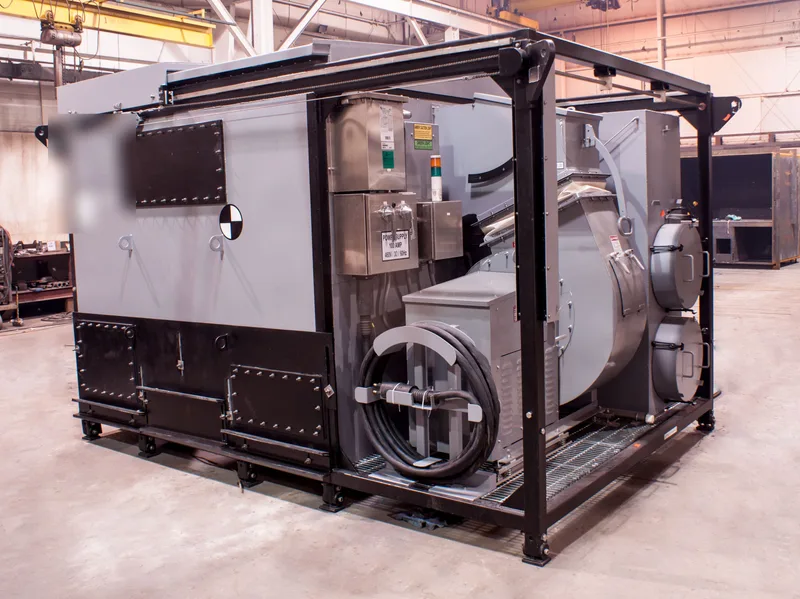
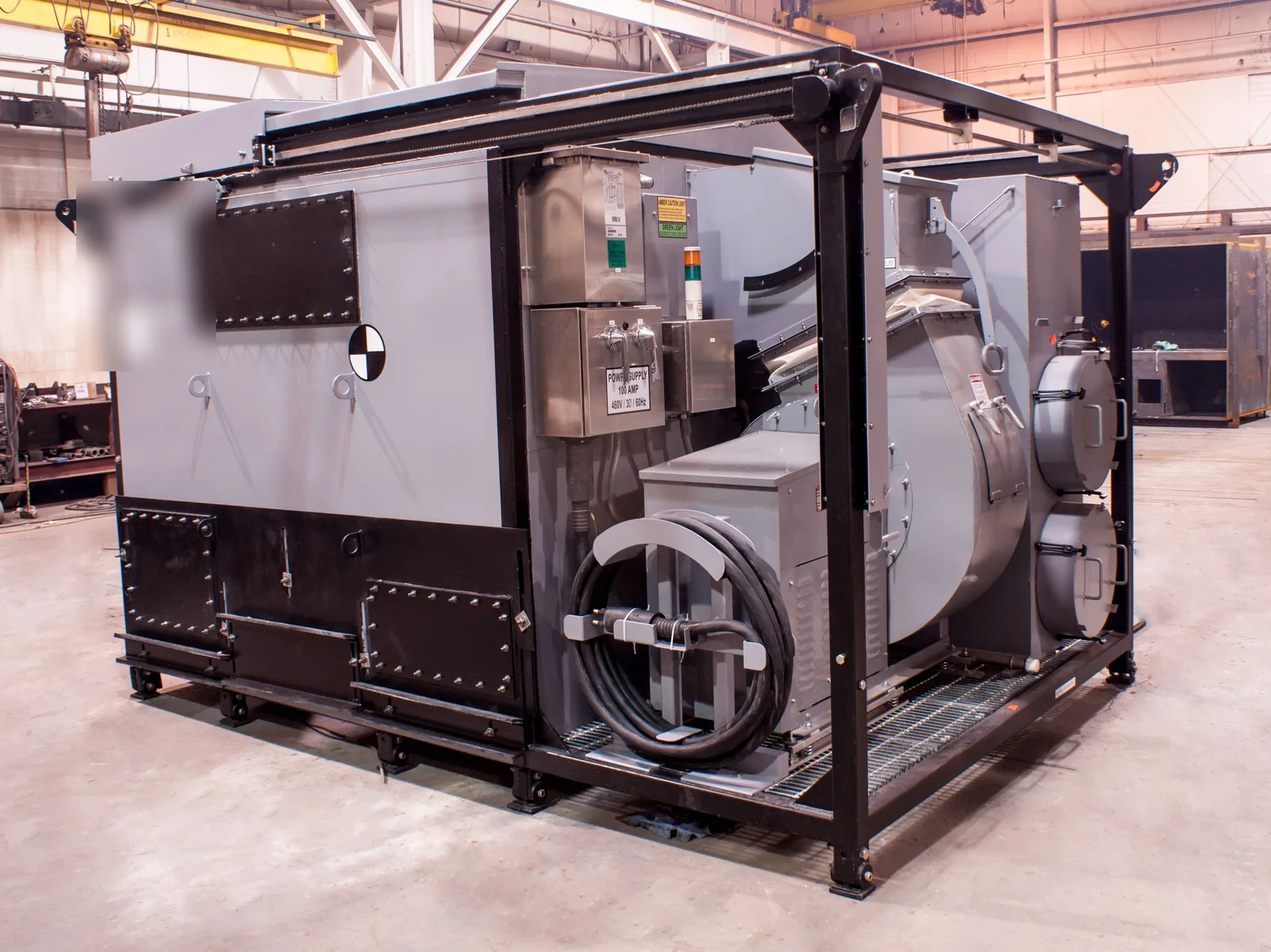
A ventilation hatch house, equipment side 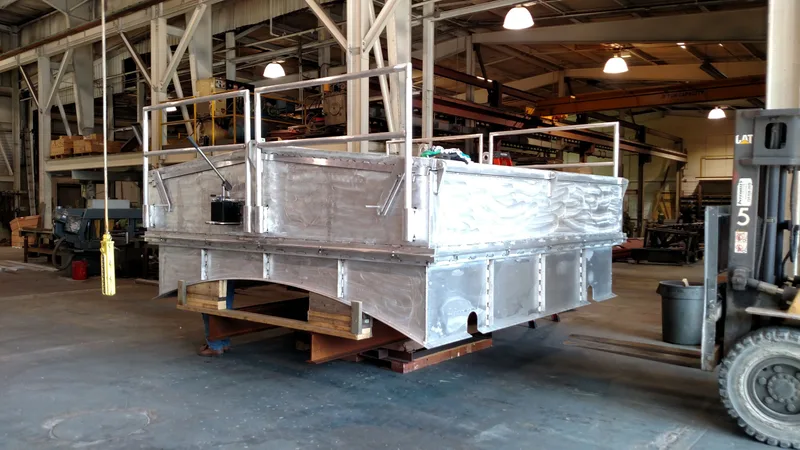
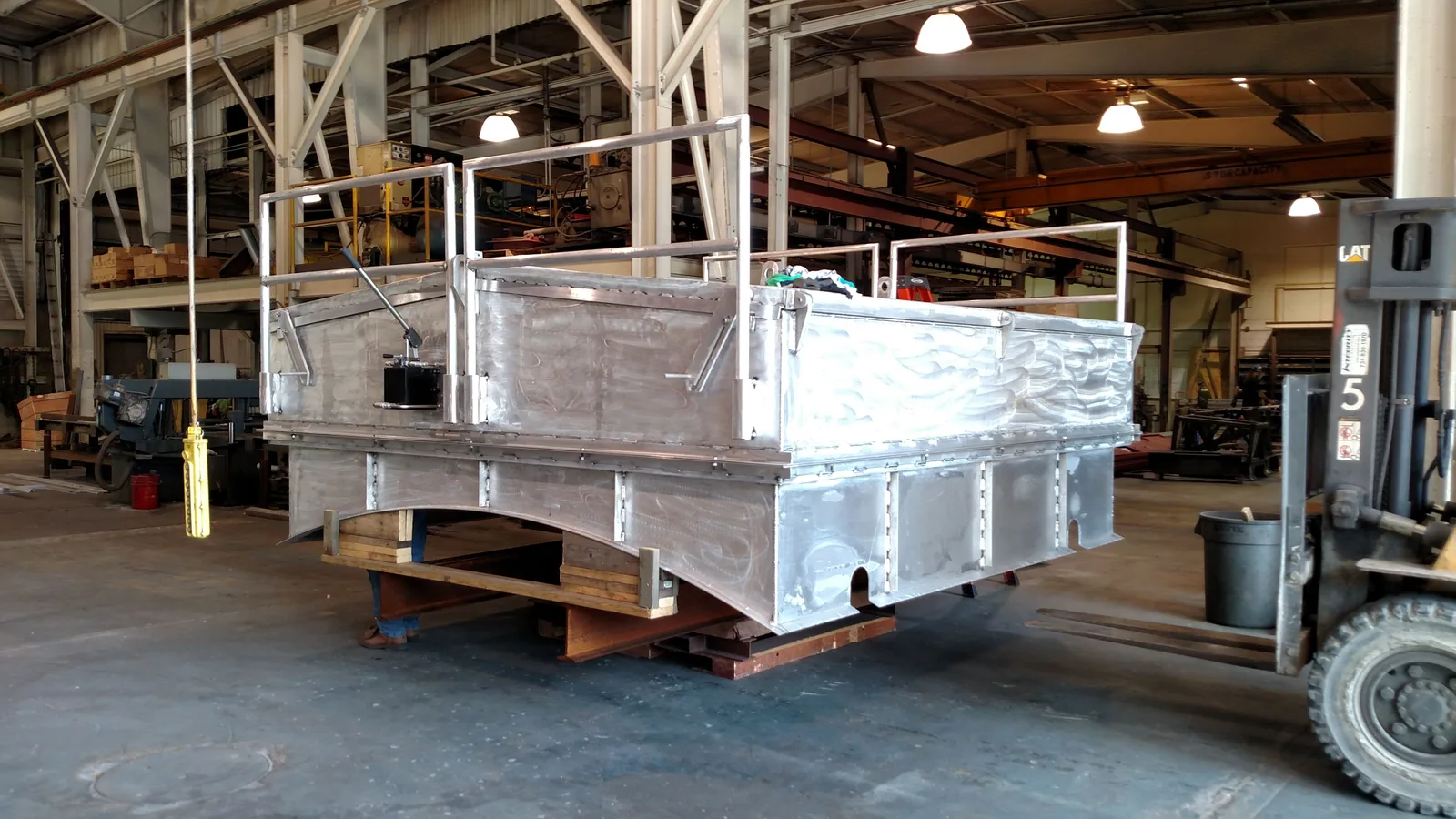
Access hatch enclosure 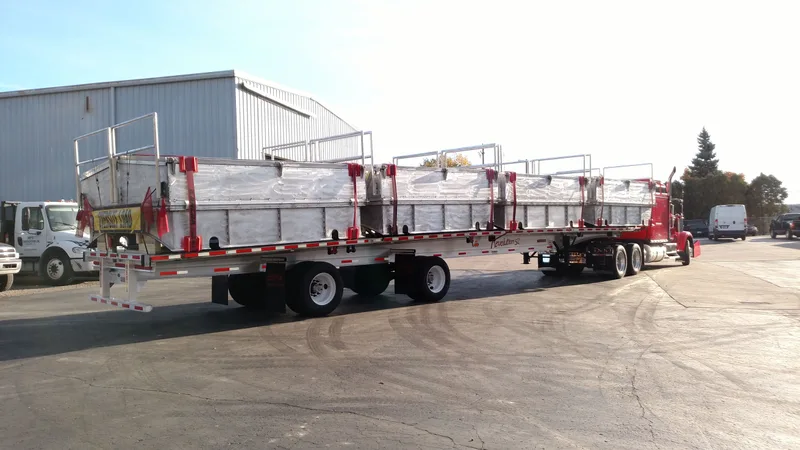
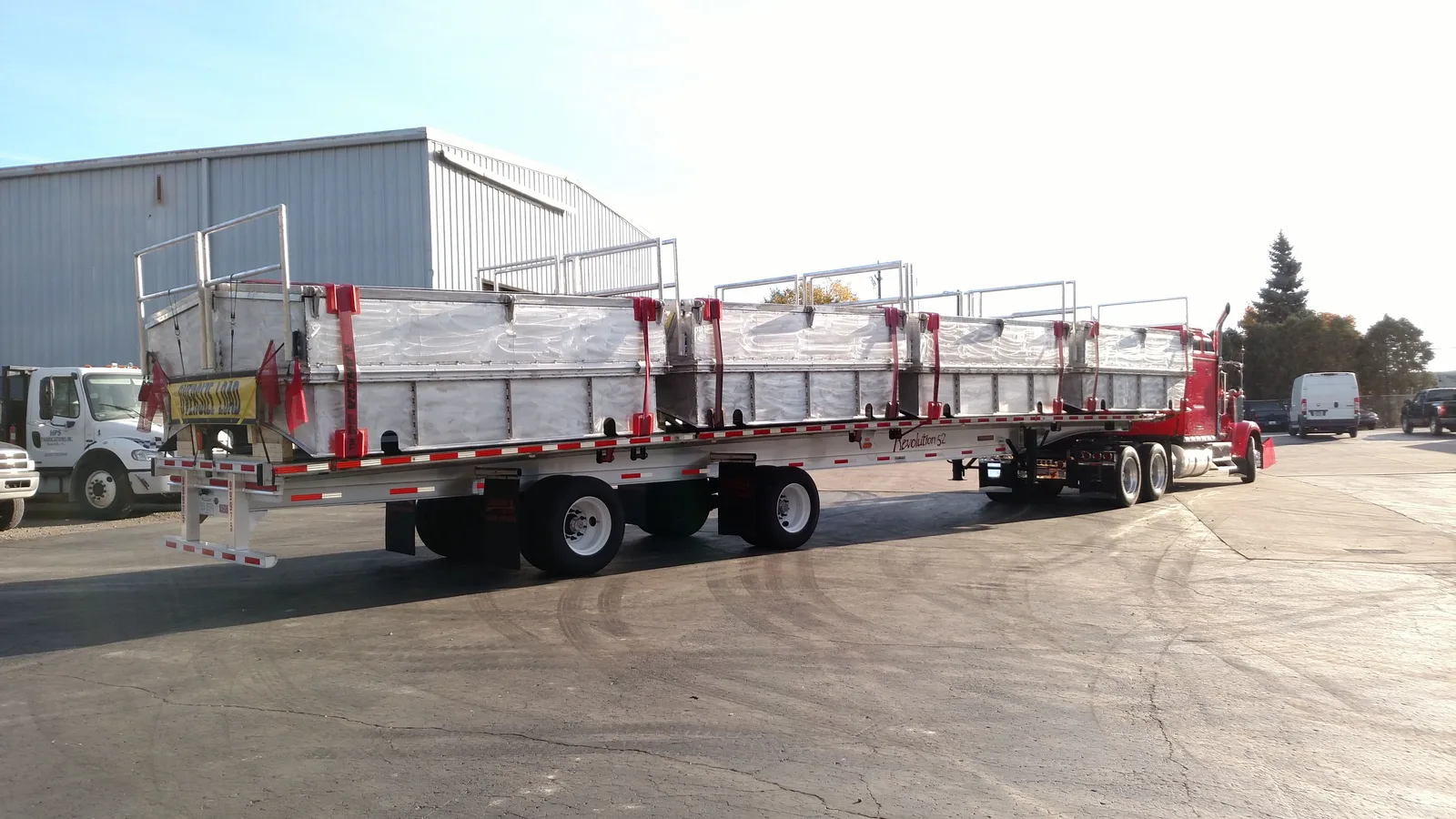
Access hatch enclosures leaving for delivery
Common questions
Submarine Ventilation Hatch Houses: questions buyers ask
What was wrong with the original product?
It was a stopgap. HPS redesigned it through successive engineering changes into something purpose-fit, which is a different job from building the same thing more cheaply.
Who did the redesign?
Our own licensed professional engineers, in the same building as the fabricators. That is why successive changes were affordable rather than a renegotiation each time.
Do you build other Navy equipment?
Yes, including escape trunk cofferdams and brows, bridges and gangways. CAGE 52YE1.
Talk to us about a defense project.
Send a print or describe the problem. Either works.
Request a Quote